
Why Loneliness Is Rising in Bangladesh’s Urban Youth
You take a rickshaw through streets packed with people. Your building has forty other flats in it. Your phone buzzes constantly with messages, notifications, group chats. And yet, if someone asked you honestly — do you feel like you have people who really know you, who you could call at 2am — the answer might genuinely be no.
This is one of the strange contradictions of city life, and it’s showing up in Dhaka and other urban centers in Bangladesh more than most people talk about openly. Loneliness isn’t about being physically alone. It’s entirely possible to feel it in a crowd, in a busy office, even in your own family home.
Why This Is Happening More Now
Urban migration has scattered support systems. A huge number of young people move to Dhaka for education or work, often leaving behind the extended family and childhood friendships that used to provide a built-in social safety net. In many cases, the closeness of village or family life simply doesn’t have an equivalent in the city — you have to actively build it from scratch, which is harder than it sounds.
Work culture leaves little room for real connection. Long hours, long commutes, and the pressure to constantly prove yourself professionally eat into the time and energy that relationships need to grow. By the time many young professionals get home, there’s little left for anything beyond rest.
Social media creates an illusion of connection. Constant contact through messages and social feeds can feel like connection, but it often lacks the depth that actually reduces loneliness — seeing someone’s highlight reel isn’t the same as being truly known by them. In some ways, this constant low-level “connection” can make the absence of deeper relationships feel even more confusing, because on paper, you’re never really “alone.”
There’s still stigma around admitting it. In a culture where family closeness is highly valued, admitting to loneliness — especially while surrounded by family — can feel like an admission of failure, or an ungrateful thing to say. This keeps a lot of people quietly carrying it without ever naming it out loud.
Marriage and family timelines are shifting. As more young people delay marriage or move away from traditional family structures for education and career, the built-in social role that marriage and extended family used to provide is arriving later, or looking different than it used to — leaving a gap that isn’t always filled by something else.
What Loneliness Actually Feels Like
Loneliness doesn’t always look like sitting alone. It can look like:
- Feeling like no one would really notice or check on you if you disappeared for a few days
- Having people around, but no one you feel you can be fully honest with
- Constantly being “busy” with people, but feeling unfulfilled afterward
- A sense of going through daily interactions on autopilot, without real connection
- Comparing your social life to others’ online and feeling like you’re somehow doing it wrong
- Avoiding reaching out to people because it feels easier, or you assume they’re too busy
Why Loneliness Isn’t Just an Emotional Inconvenience
It’s easy to dismiss loneliness as something minor — just a mood, something to push through. But chronic loneliness has real effects: it’s linked to increased risk of anxiety and depression, disrupted sleep, and even physical health effects through prolonged stress on the body. It’s not weakness to be affected by it. Humans are genuinely wired for connection, and its absence has a real cost.
What Actually Helps (Beyond “Just Make Friends”)
Start With Depth, Not Volume
Loneliness usually isn’t solved by having more people around — it’s solved by having a few people who actually know you. It’s worth focusing energy on deepening one or two existing relationships rather than trying to build a large social circle from scratch.
Be the One Who Initiates
Many people are waiting for someone else to reach out first, which means everyone ends up waiting. Sending the message, suggesting the plan, or asking the deeper question first — even when it feels a little vulnerable — is often what actually moves a relationship forward.
Find Structured, Repeated Contact
Friendships tend to grow through repeated, low-pressure contact — the same gym class, the same study group, the same weekly activity — rather than one-off hangouts. If you’re new to a city or rebuilding your social life, look for something recurring, not just a single event.
Be Honest, Even in Small Doses
Loneliness often persists because interactions stay surface-level — “I’m fine, how are you” on repeat. Being a little more honest, even in small ways (“honestly, work’s been rough this week”), tends to open the door for real connection, rather than more polite distance.
Question the Comparison
Seeing others’ social lives online rarely gives the full picture. Most people are managing more loneliness than their feeds suggest — comparing your internal experience to someone else’s curated exterior almost always leaves you feeling worse than the reality warrants.
When Loneliness Becomes Something Deeper
If loneliness has settled in for a long time and started affecting your mood, motivation, sleep, or sense of hope, it’s worth talking to someone — not just as a social fix, but because prolonged loneliness and depression are closely connected, and one can quietly feed the other.
Mindwizz offers Individual Counselling for young adults navigating loneliness and isolation in city life, offering a space to be genuinely understood — often the very thing loneliness makes hardest to find elsewhere.
FAQs
Can you feel lonely even when you’re surrounded by family or coworkers? Yes, absolutely. Loneliness is about the quality and depth of connection, not the number of people physically around you. It’s entirely possible to feel isolated in a full house or a busy office.
Why do I feel lonelier since moving to a city like Dhaka? Urban life often separates people from the built-in support systems of extended family and childhood friendships, while offering fewer natural, repeated opportunities to build new close relationships — which can leave a real gap.
Does social media make loneliness worse? It can, particularly because it offers the appearance of connection without the depth that actually eases loneliness, and constant exposure to others’ curated lives can increase feelings of comparison and isolation.
Is it normal to feel embarrassed about being lonely? Very common, especially in cultures where family closeness is highly valued. But loneliness isn’t a personal failing — it’s a widely shared, increasingly common experience, particularly among young urban adults.
When should loneliness be treated as a mental health concern rather than just a phase? If loneliness has persisted for months, is affecting your mood, motivation, or sleep, or is accompanied by hopelessness, it’s worth speaking to a professional rather than waiting for it to resolve on its own.
Latest Posts

Financial Stress and Mental Health: Coping With Money-Related Anxiety in Bangladesh

By: Mindwizz
August 15, 2026

Family Conflict and Mental Health: When to Consider Family Counselling
By: Mindwizz
August 15, 2026

Mental Health in Old Age: Caring for Aging Parents Emotionally
By: Mindwizz
August 15, 2026
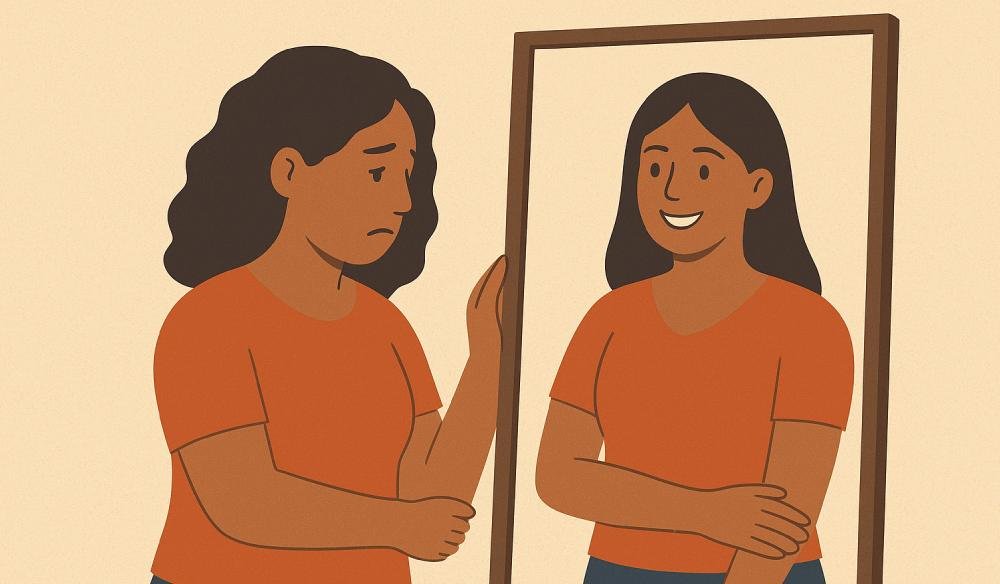
Body Image and Mental Health: Building a Healthier Relationship With Yourself
By: Mindwizz
August 15, 2026
