
Body Image and Mental Health: Building a Healthier Relationship With Yourself
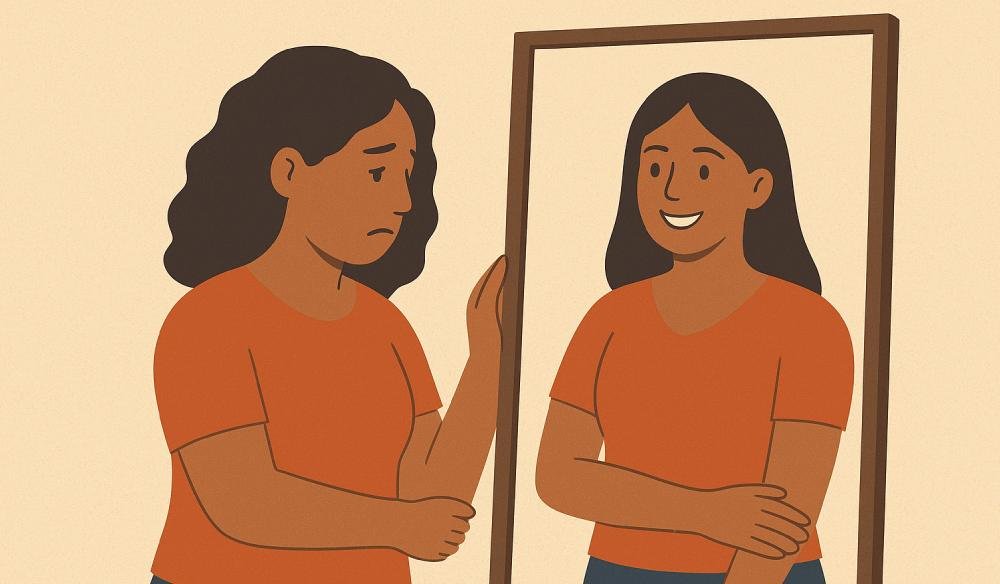
You catch your reflection in a shop window, or see a photo someone’s tagged you in, and something in you recoils before you even fully register the image. Logically, you probably know you look fine — you’d tell a friend the exact same thing if they said this about themselves. But logic rarely wins this particular argument, because body image struggles usually live somewhere deeper than logic can reach.
If you’ve spent years quietly at war with your own reflection, this isn’t really about vanity, and it isn’t something you can just “get over” by deciding to think positively. It’s worth understanding why it runs so deep — because that’s usually where actual change starts.
Body Image Is Rarely Just About the Body
Here’s something that surprises a lot of people: body image struggles are often less about the body itself, and more about what the body has come to represent — control, worth, acceptance, safety. A harsh inner voice about your appearance is frequently connected to deeper beliefs about whether you’re “enough,” lovable, or acceptable as you are — beliefs that often formed long before body image became the battleground where they play out.
This is part of why losing weight, changing your appearance, or “fixing” the specific thing you dislike so rarely brings the relief people expect. If the underlying belief — “I’m not enough” — hasn’t shifted, the critical focus usually just finds a new target.
Where Negative Body Image Actually Comes From
Comparison, amplified by social media. Constant exposure to filtered, curated images creates a distorted baseline for what bodies “should” look like — one that isn’t grounded in reality, but still shapes how people judge themselves against it daily.
Comments from childhood or adolescence. Offhand remarks from family, teachers, or peers about weight or appearance — even ones meant casually — can lodge deeply and shape body image for years, sometimes decades, afterward.
Cultural messaging around body size and beauty standards. Many cultures, including in Bangladesh, carry strong, often unspoken messages about ideal body types, skin tone, or appearance, absorbed early and reinforced constantly through media and casual conversation.
Using the body as a proxy for control. During periods of stress, uncertainty, or emotional overwhelm, focusing intensely on the body — its size, its flaws, its “fixability” — can feel like the one thing that’s controllable, even when it isn’t really solving the underlying issue.
Trauma or difficult experiences connected to the body. For some people, negative body image is tied to past experiences — bullying, comments during puberty, or more significant experiences — that have shaped a complicated relationship with how they see and feel about their physical self.
How Negative Body Image Affects Mental Health
- Persistent low self-esteem that extends well beyond appearance into other areas of life
- Increased risk of anxiety and depression, particularly when body-related thoughts become intrusive or constant
- Social withdrawal — avoiding photos, events, swimming, or situations where the body feels “on display”
- Disordered eating patterns, in some cases, as an attempt to control or change the body
- Difficulty being present in your own life — constantly monitoring or worrying about how you look, rather than engaging with what’s actually happening around you
Building a Healthier Relationship With Your Body
Notice the Voice, Don’t Just Believe It
The next time a harsh thought about your body comes up, try noticing it as a thought — “I’m having the thought that my arms look bad” — rather than accepting it automatically as fact. This small shift creates just enough distance to start questioning it.
Separate Your Worth From Your Appearance
This is easier said than done, but it starts small: noticing when you’re using appearance as a measure of your value, and gently reminding yourself that your worth was never actually dependent on it — even if it’s felt that way for a long time.
Audit What You’re Consuming
Take an honest look at the accounts you follow, the shows you watch, the comparisons you’re regularly exposed to. If certain content consistently leaves you feeling worse about yourself, it’s worth curating it, even if that means unfollowing things you’ve followed for years.
Practice Neutral, Not Just Positive, Self-Talk
“I love my body” can feel like a bridge too far if you’re deep in negative body image, and forcing it can actually backfire. A more sustainable starting point is often neutral language — “this is my body, it carries me through my life” — rather than jumping straight to forced positivity.
Reconnect With What Your Body Does, Not Just How It Looks
Shifting focus, even briefly, to what your body allows you to do — walk, hug someone, dance, laugh — can help loosen the grip of purely appearance-based self-evaluation over time.
Notice the Pattern Behind the Focus
If body-related thoughts spike during specific times — stress, uncertainty, conflict — that pattern is worth paying attention to. Often, the body becomes the focus specifically when something else feels out of control, and addressing that underlying stressor matters just as much as the body image itself.
When to Seek Professional Support
If body image struggles are significantly affecting your daily life, self-esteem, eating patterns, or willingness to participate in normal activities, it’s worth working with a therapist rather than trying to will your way into feeling differently. Body image work often connects to deeper patterns of self-worth that benefit enormously from guided, professional support.
Mindwizz offers Individual Counselling and Self-Esteem support for people working to build a healthier relationship with their body and themselves, addressing both the surface struggle and what’s underneath it.
FAQs
Why do I still struggle with body image even when people tell me I look fine? Because body image is rarely just about accurate perception — it’s often tied to deeper beliefs about self-worth, control, or past experiences that external reassurance alone doesn’t resolve.
Can body image issues lead to an eating disorder? Yes, in some cases, prolonged negative body image can develop into disordered eating patterns, particularly when the body becomes a primary way of managing emotional distress or control.
Does social media really affect body image that much? Yes. Regular exposure to filtered, curated, or unrealistic images has been consistently linked to worsened body image, particularly through unconscious, constant comparison.
Is it possible to actually like how you look after years of not being able to? Yes, though it’s usually a gradual process rather than a sudden shift. Working on the underlying beliefs about self-worth, alongside practical strategies, can meaningfully change how someone relates to their body over time.
When does body image become a mental health concern rather than just insecurity? When it starts significantly affecting daily functioning — eating patterns, social participation, self-esteem, or mood — it’s worth addressing with professional support rather than treating it as a minor personal quirk.
Latest Posts
Financial Stress and Mental Health: Coping With Money-Related Anxiety in Bangladesh

By: Mindwizz
August 15, 2026

Family Conflict and Mental Health: When to Consider Family Counselling
By: Mindwizz
August 15, 2026

Mental Health in Old Age: Caring for Aging Parents Emotionally
By: Mindwizz
August 15, 2026
Body Image and Mental Health: Building a Healthier Relationship With Yourself
By: Mindwizz
August 15, 2026
