
Family Conflict and Mental Health: When to Consider Family Counselling
The argument was technically about who forgot to lock the door. But somehow, ten minutes in, it had turned into old grievances from years ago, voices raised, someone storming off, and everyone left feeling worse than before it started. If this sounds familiar, you already know: family arguments are rarely really about the thing they appear to be about on the surface.
Most ongoing family conflict isn’t really about chores, curfews, money, or who said what. It’s usually about deeper, unspoken patterns — unmet expectations, old hurts that never got resolved, or ways of communicating that stopped working a long time ago but never got updated.
Why Family Conflict Often Feels Impossible to Resolve on Your Own
The patterns are old, and everyone plays their role automatically. Families develop roles and dynamics over years — the peacemaker, the one who withdraws, the one who explodes first. These patterns run so automatically that even people who want things to be different often find themselves repeating the same cycle without quite meaning to.
Everyone is arguing from inside their own experience. Each family member usually has a version of events that feels completely valid from where they’re standing, which is exactly why conflicts can escalate — everyone feels misunderstood, and no one feels like they’re truly being heard.
Love and hurt are often tangled together. Family conflict tends to hit differently than conflict with anyone else, because the people involved matter so much. The same closeness that makes family relationships meaningful also makes the hurt cut deeper, and the stakes feel higher.
Old wounds resurface in new arguments. A disagreement about something small can suddenly pull in years of accumulated resentment, because the underlying issue was never actually resolved — just avoided, again and again, until it surfaces sideways.
Common Sources of Family Conflict
- Communication breakdowns — feeling unheard, talked over, or dismissed
- Generational differences in values, expectations, or approaches to life decisions
- Financial stress and disagreements over money
- Boundaries around independence, especially between parents and adult children
- Sibling rivalry or long-standing comparisons that never fully resolved
- Blended family dynamics and adjusting to new family structures
- Caregiving stress, particularly around aging parents or a family member’s illness
- Differing parenting approaches between partners or across generations
Signs Family Conflict Has Moved Beyond “Normal Disagreements”
- The same arguments repeat over and over, without ever actually resolving
- Conversations quickly escalate into blame, shouting, or silent withdrawal
- Family members avoid each other or specific topics entirely to prevent conflict
- There’s a persistent sense of walking on eggshells around certain people or subjects
- Resentment has built up over time and colors even unrelated interactions
- Someone in the family has significantly withdrawn, either emotionally or physically
- The conflict is affecting individual mental health — anxiety, low mood, or stress tied specifically to family interactions
If several of these sound familiar, it’s usually a sign that the conflict has outgrown what can be resolved through the same conversations that have already been tried, many times, without success.
Why “We Just Need to Talk It Out” Doesn’t Always Work
Families often try to resolve conflict by talking it through themselves — which makes sense, and sometimes it genuinely works. But when the same conversation keeps happening without resolution, it’s usually because the conversation itself has become part of the pattern. Everyone knows their lines, the conversation follows the same script, and it ends the same way it always has — because nothing about how the conversation happens has actually changed.
This is exactly where a neutral third party makes a real difference — not by taking sides, but by interrupting the pattern itself and helping the family communicate in a genuinely different way.
What Family Counselling Actually Does
Family counselling isn’t about deciding who’s right. It’s about:
- Creating a space where everyone can actually be heard, without the conversation escalating the way it usually does
- Identifying the pattern behind the repeated conflict, rather than just addressing the surface-level argument each time
- Improving communication skills — how to express hurt or frustration without it turning into blame or shutdown
- Addressing the underlying, unspoken issues that keep resurfacing in unrelated arguments
- Rebuilding trust and connection, especially where conflict has caused significant distance or hurt over time
A good family therapist doesn’t take sides — their role is to help the whole family system communicate and function better together, even when individual perspectives differ.
When to Consider Family Counselling
- When the same conflicts keep repeating without resolution, despite genuine effort
- When conversations consistently escalate rather than resolve
- During major transitions — divorce, remarriage, a family member’s illness, a significant loss
- When communication has broken down to the point of significant distance or silence
- When one or more family members’ mental health is being noticeably affected by ongoing family tension
- When there’s a specific, recurring source of conflict that never seems to get fully addressed
You Don’t Have to Wait for a Crisis
Many families wait until conflict has become severe — estrangement, ongoing hostility, a significant rupture — before considering family counselling. But it’s just as valuable, and often more effective, to seek support earlier, before patterns become deeply entrenched.
Mindwizz offers Family Counselling, working with families to address recurring conflict, improve communication, and rebuild connection in a supportive, neutral space.
FAQs
Does family counselling mean something is seriously wrong with our family? No. Family counselling is a proactive tool for improving communication and resolving recurring conflict — it doesn’t require a crisis to be worthwhile, and many families benefit from it during ordinary periods of tension or transition.
What if one family member refuses to attend counselling? While it’s most effective with full participation, individual family members can still benefit from counselling even if others aren’t ready to join — and sometimes, one person’s changed approach shifts the overall family dynamic over time.
How is family counselling different from individual therapy? Individual therapy focuses on one person’s internal experience and wellbeing, while family counselling focuses on the relationships and communication patterns between family members, working with the family as a system.
How many sessions does family counselling usually take? It varies significantly depending on the issues involved, but many families notice meaningful shifts in communication and understanding within several sessions, with an initial consultation used to assess specific needs and goals.
Can family counselling help with conflicts between adult children and parents? Yes, this is one of the most common reasons families seek counselling — particularly around boundaries, differing expectations, and generational differences in values or communication styles.
Latest Posts

Financial Stress and Mental Health: Coping With Money-Related Anxiety in Bangladesh

By: Mindwizz
August 15, 2026

Family Conflict and Mental Health: When to Consider Family Counselling
By: Mindwizz
August 15, 2026

Mental Health in Old Age: Caring for Aging Parents Emotionally
By: Mindwizz
August 15, 2026
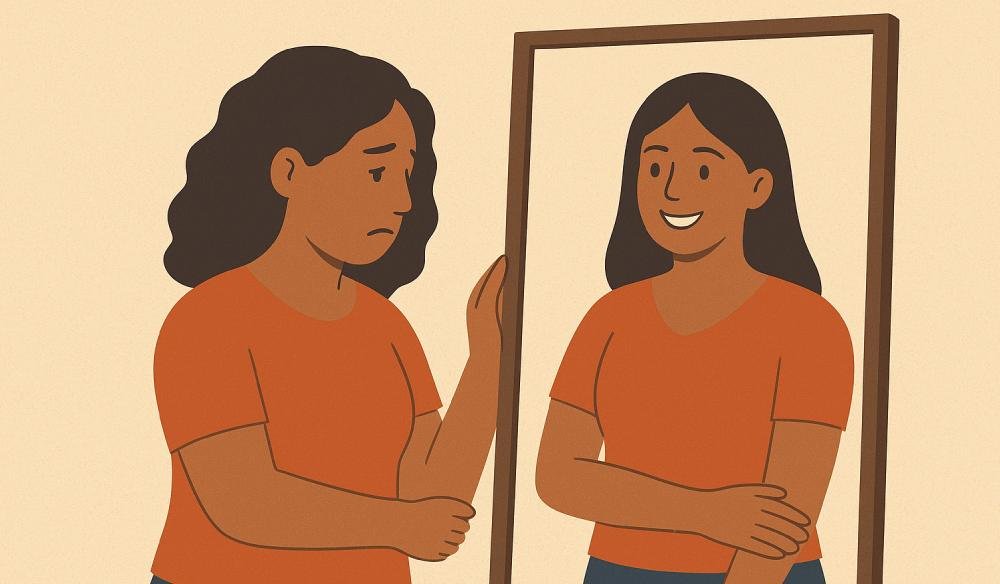
Body Image and Mental Health: Building a Healthier Relationship With Yourself
By: Mindwizz
August 15, 2026
