
Financial Stress and Mental Health: Coping With Money-Related Anxiety in Bangladesh
It’s 2am and you’re doing math in your head — rent, a sibling’s tuition, that unexpected medical expense last month, what’s left in the account until the next salary. You’ve done this same math a dozen times already this week, and it never gets easier, no matter how many times you run the numbers. Eventually you fall asleep, exhausted, only for the same calculations to start again as soon as you wake up.
Financial stress has a way of following you everywhere — into your sleep, your relationships, your ability to concentrate at work, even into how you see yourself. And in Bangladesh, where family financial responsibility often extends well beyond your own household — parents, siblings, extended family — this stress can feel especially heavy and especially hard to talk about openly.
Why Financial Stress Hits the Mind So Hard
Money isn’t just a practical resource — for most people, it’s deeply tied to security, self-worth, and the ability to care for the people they love. When finances feel unstable, it doesn’t just threaten your bank balance; it can feel like a threat to your entire sense of stability and control, which is exactly why financial stress activates the same physical and emotional stress responses as other major life threats.
This is why financial stress rarely stays contained to “just” a money problem. It tends to spill into anxiety, irritability, sleep problems, and strain in relationships — because the underlying threat it represents feels much bigger than just numbers on a page.
How Financial Stress Shows Up
Mentally and emotionally:
- Persistent worry or racing thoughts about money, even during unrelated activities
- Difficulty concentrating at work due to financial preoccupation
- Feelings of shame, inadequacy, or failure tied to financial situation
- Irritability or short temper, often misdirected at people who aren’t the actual source of stress
- A sense of hopelessness or being trapped, particularly with ongoing debt
Physically:
- Trouble sleeping, or waking up with racing financial thoughts
- Headaches, muscle tension, or fatigue
- Appetite changes
- Physical symptoms of chronic stress — elevated heart rate, digestive issues
In relationships:
- Increased conflict with a partner or family members over money
- Avoiding conversations about finances altogether, even when necessary
- Withdrawing socially to avoid situations that cost money
- Strain from feeling unable to meet family financial expectations
Why Financial Stress in Bangladesh Often Carries Extra Weight
Extended family financial responsibility is common and expected. Many people, especially eldest children or primary earners, carry not just their own expenses but contribute significantly to parents, siblings’ education, or extended family needs — multiplying the pressure well beyond a single household budget.
There’s often social pressure around visible success. Weddings, homes, lifestyle — financial struggles can feel more shameful when there’s an expectation, spoken or unspoken, to appear financially stable or successful to family and community.
Discussing money openly is often discouraged. Many families don’t talk openly about financial stress, which can leave individuals carrying significant worry alone, without the relief of shared problem-solving or simply being understood.
Economic uncertainty affects planning. Inflation, job market unpredictability, and rising costs of living can make long-term financial planning feel genuinely difficult, adding a layer of chronic, low-grade anxiety about the future.
Breaking the Cycle Between Financial Stress and Mental Health
Financial stress and mental health struggles often feed each other: stress affects sleep and concentration, which can affect work performance and decision-making, which can worsen financial situations, which increases stress further. Breaking this cycle usually requires addressing both the practical and emotional sides together, rather than assuming better financial habits alone will resolve the anxiety.
What Actually Helps With Financial Stress
Separate the Facts From the Catastrophizing
Anxiety tends to spiral toward worst-case scenarios. Try distinguishing between what’s actually true right now (“I have this much saved, this much owed”) and the anxious predictions about the future, which often aren’t as certain as they feel in the moment.
Break the Overwhelm Into Specific, Smaller Pieces
“My finances are a mess” feels paralyzing. “I need to figure out this month’s rent, then look at next month” is more manageable. Breaking a large, vague worry into specific, smaller pieces makes it easier to actually address, rather than just carrying it as a constant background weight.
Set a Specific Time to Worry About Money
Constant, unstructured worry throughout the day is exhausting and rarely productive. Designating a specific time — say, 20 minutes in the evening — to actually think through finances, and consciously setting the worry aside outside of that window, can meaningfully reduce how much space it takes up in your day.
Talk to Someone You Trust
Financial stress carried in silence tends to feel heavier than it needs to. Whether it’s a partner, a trusted friend, or a professional, sharing the weight — even without immediately solving it — genuinely reduces the emotional burden.
Separate Your Worth From Your Financial Situation
This is easier said than done, but it’s worth actively challenging the belief that financial struggle reflects your value as a person. Many financially responsible, hardworking people face financial hardship due to circumstances well beyond their control.
Get Professional Financial Guidance If Needed
Sometimes the anxiety is made worse by genuine uncertainty about the actual numbers or options available. A clearer financial picture — even if it’s not entirely positive — is often less anxiety-inducing than the vague, worst-case uncertainty that comes from avoiding it.
When Financial Stress Becomes a Mental Health Concern
If financial stress is significantly affecting your sleep, relationships, ability to function at work, or is accompanied by persistent hopelessness, it’s worth speaking with a mental health professional — not to fix your finances directly, but to address the anxiety and emotional toll that’s built up around them, which often needs its own attention separate from the financial problem itself.
Mindwizz offers Individual Counselling for individuals navigating anxiety and stress connected to financial pressure, helping build both emotional coping tools and a healthier relationship with the stress itself.
FAQs
Can financial stress actually cause anxiety or depression? Yes. Chronic financial stress activates the body’s stress response in ways similar to other major life stressors, and prolonged exposure is strongly linked to increased anxiety and depression.
Why does financial stress feel so much heavier in Bangladeshi families? Extended family financial responsibility, social expectations around visible success, and cultural hesitance to discuss money openly can all add extra emotional weight beyond the practical financial challenge itself.
Is it normal to feel shame about financial struggles? It’s a common feeling, but it’s not an accurate reflection of your worth or effort. Financial hardship is often shaped by circumstances beyond individual control, even when it doesn’t feel that way in the moment.
How can I stop constantly worrying about money? Completely eliminating the worry usually isn’t realistic if real financial pressure exists, but structuring worry into a specific time, breaking concerns into smaller pieces, and addressing the emotional side with support can significantly reduce how consuming it feels.
Should I see a therapist or a financial advisor for money-related stress? Often both serve different, complementary purposes — a financial advisor can address the practical numbers, while a therapist can help manage the anxiety, shame, or relationship strain that financial stress frequently brings with it.
Latest Posts
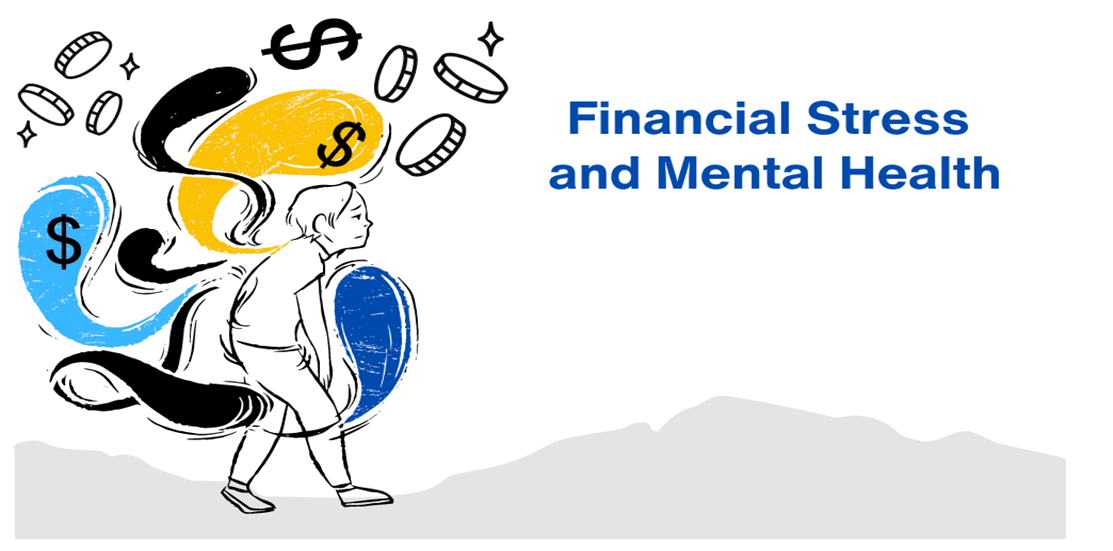
Financial Stress and Mental Health: Coping With Money-Related Anxiety in Bangladesh

By: Mindwizz
August 15, 2026

Family Conflict and Mental Health: When to Consider Family Counselling
By: Mindwizz
August 15, 2026

Mental Health in Old Age: Caring for Aging Parents Emotionally
By: Mindwizz
August 15, 2026

Body Image and Mental Health: Building a Healthier Relationship With Yourself
By: Mindwizz
August 15, 2026
