
Screen Time and Mental Health: How Social Media Affects Your Mood
You open your phone to check one notification, and twenty minutes later you’re still scrolling — feeling more drained, more anxious, or oddly worse about yourself than before you started. This isn’t just in your head. Research increasingly shows that heavy screen time and social media use can directly affect mood, self-esteem, sleep, and attention span, especially when scrolling becomes a habit rather than a choice.
How Social Media Affects Mental Health
1. Comparison and Self-Esteem
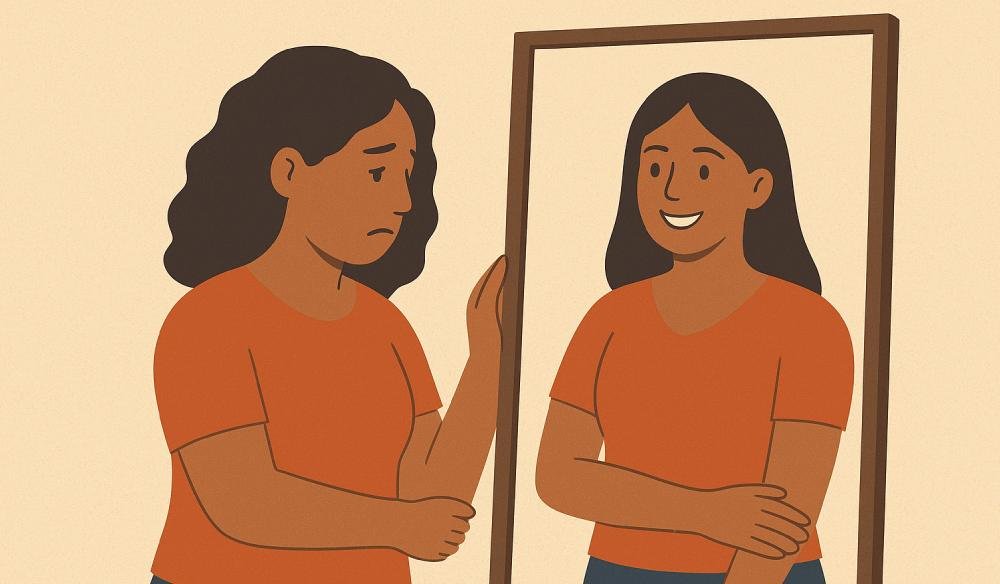
Social media shows curated highlights — other people’s best moments, best angles, best days. Constant exposure to this can trigger unconscious comparison, leaving you feeling like your own life, body, or achievements fall short, even when that comparison isn’t fair or accurate.
2. Anxiety From Constant Stimulation
Every scroll brings new information, opinions, and notifications. This keeps the brain in a low-level state of alertness, which over time can contribute to restlessness, difficulty focusing, and a persistent feeling of anxiety that’s hard to pin to one specific cause.
3. Sleep Disruption
Late-night scrolling delays sleep and exposes your eyes to blue light, which suppresses melatonin. Poor sleep, in turn, worsens mood, irritability, and anxiety the next day — creating a cycle that’s hard to break.
4. Fear of Missing Out (FOMO)
Seeing friends, colleagues, or influencers constantly out, achieving, or celebrating can create a persistent sense that you’re missing out — even when your actual life is fine. This is one of the more subtle but common drivers of low mood linked to social media use.
5. Reduced Attention Span
Short-form content trains the brain to expect constant novelty and quick rewards. Over time, this can make it harder to focus on slower, more effortful tasks — reading, deep work, or even long conversations — which can itself become a source of frustration and stress.
Signs Screen Time May Be Affecting Your Mental Health
- Reaching for your phone automatically, without really deciding to
- Feeling anxious or “off” if you haven’t checked your phone in a while
- Comparing your life, body, or achievements to what you see online
- Feeling worse (more tired, more anxious, lower mood) after scrolling than before
- Losing track of time while scrolling, especially at night
- Difficulty concentrating on tasks that don’t offer instant rewards
How to Build a Healthier Relationship With Screens
1. Set Screen-Free Times, Not Just Screen-Free Apps
Rather than trying to cut out specific apps, set clear times when your phone is off-limits — for example, the first 30 minutes after waking up and the last hour before bed.
2. Turn Off Non-Essential Notifications
Notifications are designed to pull your attention. Turning off everything except calls and essential messages reduces the number of times you’re drawn back to your phone throughout the day.
3. Curate What You Follow
Unfollow or mute accounts that consistently leave you feeling worse about yourself. Your feed should be something you choose, not something that happens to you.
4. Use Screen Time Tools Honestly
Most phones now show a weekly screen time report. Look at it without judgment — just as information — and use app limits if a specific app is taking up more time than you’d like.
5. Replace, Don’t Just Remove
Cutting screen time works better when you replace scrolling with something else — a short walk, a call with a friend, reading, or simply sitting without a device for a few minutes. Removing the habit without replacing it usually doesn’t stick.
6. Notice the “Why” Behind the Scroll
Often, reaching for a phone is less about the content and more about avoiding boredom, stress, or an uncomfortable feeling. Noticing what you’re avoiding is often more useful than trying to control the behavior itself.
When Screen Time Becomes a Deeper Issue
For some people, screen and social media use isn’t just a habit — it starts to resemble a compulsion, where the anxiety of not checking becomes as strong as the pull to check. If screen time is affecting your sleep, relationships, self-esteem, or ability to function day to day, it may be worth talking to a mental health professional rather than relying on willpower alone.
Mindwizz offers Individual Counselling for adults and teens struggling with anxiety, low self-esteem, or compulsive phone use linked to social media, helping identify the underlying triggers and build sustainable, healthier digital habits.
FAQs
Can social media cause anxiety and depression? Social media itself doesn’t directly cause anxiety or depression, but heavy or compulsive use is strongly linked to increased anxiety, lower self-esteem, and depressive symptoms — particularly through comparison, sleep disruption, and constant stimulation.
How much screen time is too much? There’s no single number that applies to everyone, but if screen time is affecting your sleep, mood, focus, or relationships, it’s a sign that your usage has crossed from convenience into a problem worth addressing.
Why do I feel worse after scrolling social media? This is commonly linked to social comparison, information overload, and the brain’s stress response to constant stimulation — all of which can leave you feeling more anxious, tired, or low, even if nothing specific “happened” while scrolling.
How can I reduce screen time without quitting social media completely? Set specific screen-free times (like mornings and before bed), turn off non-essential notifications, curate your feed to include only content that adds value, and replace scrolling time with another activity rather than just trying to remove it.
Is phone addiction a real mental health concern? While not always classified as a clinical addiction, compulsive phone and social media use that interferes with sleep, relationships, or daily functioning is a recognized and increasingly common concern that therapists regularly help people manage.
Latest Posts

Financial Stress and Mental Health: Coping With Money-Related Anxiety in Bangladesh

By: Mindwizz
August 15, 2026

Family Conflict and Mental Health: When to Consider Family Counselling
By: Mindwizz
August 15, 2026

Mental Health in Old Age: Caring for Aging Parents Emotionally
By: Mindwizz
August 15, 2026
Body Image and Mental Health: Building a Healthier Relationship With Yourself
By: Mindwizz
August 15, 2026
