
Eating Disorders: Early Warning Signs Parents Should Know
A parent notices their teenager has started skipping breakfast and pushing food around at dinner rather than eating it. Their first thought is often something reassuring — she’s just watching her weight, it’s a phase, teenagers are picky. Sometimes that’s exactly what it is. But sometimes, it’s the quiet beginning of something much more serious, and the difference isn’t always obvious from the outside, especially in the early stages.
Eating disorders are commonly misunderstood as being about food, weight, or vanity. In reality, they’re almost always about something underneath — control, anxiety, self-worth, or overwhelming emotions that a person doesn’t yet have another way to manage. Understanding that shift in perspective is often the first step to actually catching it early.
Why Eating Disorders Are Rarely “About the Food”
Food and weight become the visible focus, but they’re usually standing in for something else entirely. For many people, restricting food creates a sense of control in a life that otherwise feels chaotic or overwhelming. For others, it becomes a way to manage intense anxiety, cope with low self-worth, or numb difficult emotions. This is exactly why “just eat” is never a solution — it doesn’t address what the eating disorder is actually serving to manage underneath.
Early Warning Signs — Beyond Just Weight Loss
One of the most important things to understand is that eating disorders don’t always come with obvious or dramatic weight loss, especially early on. Watch for:
Behavioral signs:
- Skipping meals, or developing sudden, rigid “rules” about food (specific times, specific amounts, cutting out entire food groups)
- Eating very slowly, cutting food into tiny pieces, or rearranging food without actually eating much
- Avoiding meals with family or friends, or making excuses to eat separately
- Sudden interest in cooking or preparing elaborate meals for others, while eating very little themselves
- Frequent trips to the bathroom immediately after eating
- Excessive or rigid exercise, especially if it continues despite injury, illness, or exhaustion
- Wearing looser or baggier clothing to hide body changes
Emotional and mental signs:
- Preoccupation with body shape, weight, or calories that seems to dominate their thinking
- Increased irritability or anxiety specifically around meal times
- Withdrawal from friends, family, or activities they used to enjoy
- Harsh, critical self-talk about their body or appearance
- Mood that seems tied to what or how much they’ve eaten that day
Physical signs:
- Noticeable weight changes, in either direction
- Fatigue, dizziness, or complaints of feeling cold often
- Hair thinning, dry skin, or brittle nails
- For girls, changes or loss of menstrual cycle
- Sensitivity to cold or trouble concentrating
It’s worth repeating: not every sign needs to be present for it to matter. A cluster of even a few of these, especially the behavioral and emotional ones, is worth paying close attention to — waiting for dramatic weight loss to be “sure” often means missing the window when intervention is easiest.
Why Parents Often Miss the Signs
It doesn’t always look like what’s shown in media. Not everyone with an eating disorder becomes visibly, dramatically underweight — many people with serious eating disorders are at a normal or even higher weight, which can delay recognition significantly.
Diet culture normalizes disordered behaviors. In a culture where dieting, “clean eating,” and constant body talk are common and often praised, genuinely concerning behaviors can blend in and go unnoticed.
Teens are often very good at hiding it. Many teens with eating disorders become skilled at appearing to eat normally in front of family, while restricting, purging, or over-exercising in private.
Parents don’t want to overreact. There’s often hesitation to raise the concern directly, out of fear of making a bigger deal out of something that might just be a phase — but this hesitation can unfortunately allow patterns to become more entrenched.
What to Do If You’re Worried
Express Concern, Not Accusation
Rather than commenting on food, weight, or appearance directly, focus on emotional observations: “I’ve noticed you seem more stressed lately, and I wanted to check in.” Comments about weight or appearance — even well-intentioned ones — can unintentionally reinforce the focus an eating disorder already has on the body.
Avoid Commenting on Weight or Body Shape — Even Positively
Praising weight loss, even innocently, can be deeply reinforcing for someone in the early stages of an eating disorder. It’s better to avoid body-focused comments altogether, in either direction.
Don’t Try to “Fix It” With Food Rules of Your Own
Insisting on specific eating rules, portion monitoring, or ultimatums at the dinner table often escalates conflict and control struggles rather than resolving them. This is genuinely a situation where professional guidance makes a significant difference.
Take It Seriously Even Without a Diagnosis
You don’t need medical certainty to seek help. If your gut tells you something feels different or concerning about your child’s relationship with food, that instinct is worth acting on.
Get Professional Support Early
Eating disorders tend to become more entrenched — and harder to treat — the longer they go unaddressed. Early intervention significantly improves outcomes, which is why acting on early concern, even before things feel “serious,” genuinely matters.
This Is Treatable — Especially Early
Eating disorders can feel frightening and overwhelming for both the person experiencing it and their family, but they are treatable, and recovery is genuinely possible, especially with early, informed support that addresses what’s underneath the behavior — not just the eating itself.
Mindwizz offers Individual Counselling and Child and Young Counselling for young people navigating disordered eating, working alongside families to address both the behavior and the emotional needs driving it.
FAQs
Do you have to be underweight to have an eating disorder? No. Many people with serious eating disorders are at a normal or higher weight. Weight alone is not a reliable indicator of whether someone is struggling.
What’s the difference between dieting and a real eating disorder? Dieting is typically flexible and doesn’t dominate someone’s thinking or emotional wellbeing. An eating disorder involves rigid rules, significant distress around food, and behavior that continues despite negative physical or emotional consequences.
Should I talk to my child directly if I suspect an eating disorder? Yes, but approach it with concern about their wellbeing rather than focusing on food, weight, or appearance directly, and be prepared that they may deny or minimize it initially — that’s common, and doesn’t mean you were wrong to raise it.
Can eating disorders develop in boys and men too? Yes. While often associated with girls and women, eating disorders affect people of all genders, and signs in boys may look somewhat different — often more focused on muscularity and rigid exercise routines.
How urgent is it to get professional help once signs are noticed? Quite urgent. Eating disorders tend to become more entrenched over time, so early professional involvement — even before a formal diagnosis — significantly improves the chances of a fuller, faster recovery.
Latest Posts
Financial Stress and Mental Health: Coping With Money-Related Anxiety in Bangladesh

By: Mindwizz
August 15, 2026

Family Conflict and Mental Health: When to Consider Family Counselling
By: Mindwizz
August 15, 2026

Mental Health in Old Age: Caring for Aging Parents Emotionally
By: Mindwizz
August 15, 2026
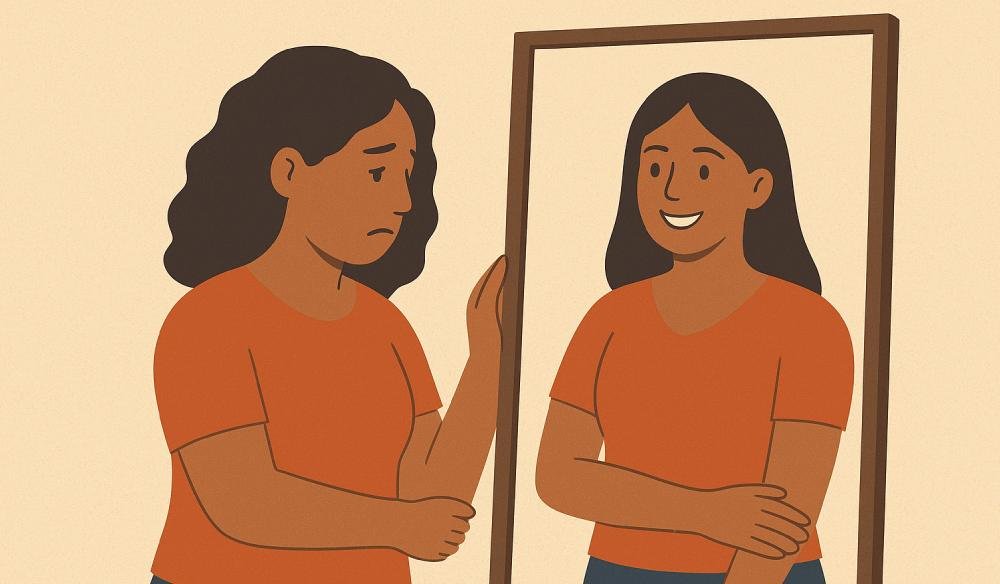
Body Image and Mental Health: Building a Healthier Relationship With Yourself
By: Mindwizz
August 15, 2026
